

The world of accounting outsourcing is undergoing a transformation, and innovations play a key role in these changes. Artificial intelligence, automation, and new approaches to process management are gradually reshaping accountants’ daily routines, creating space for greater expertise.
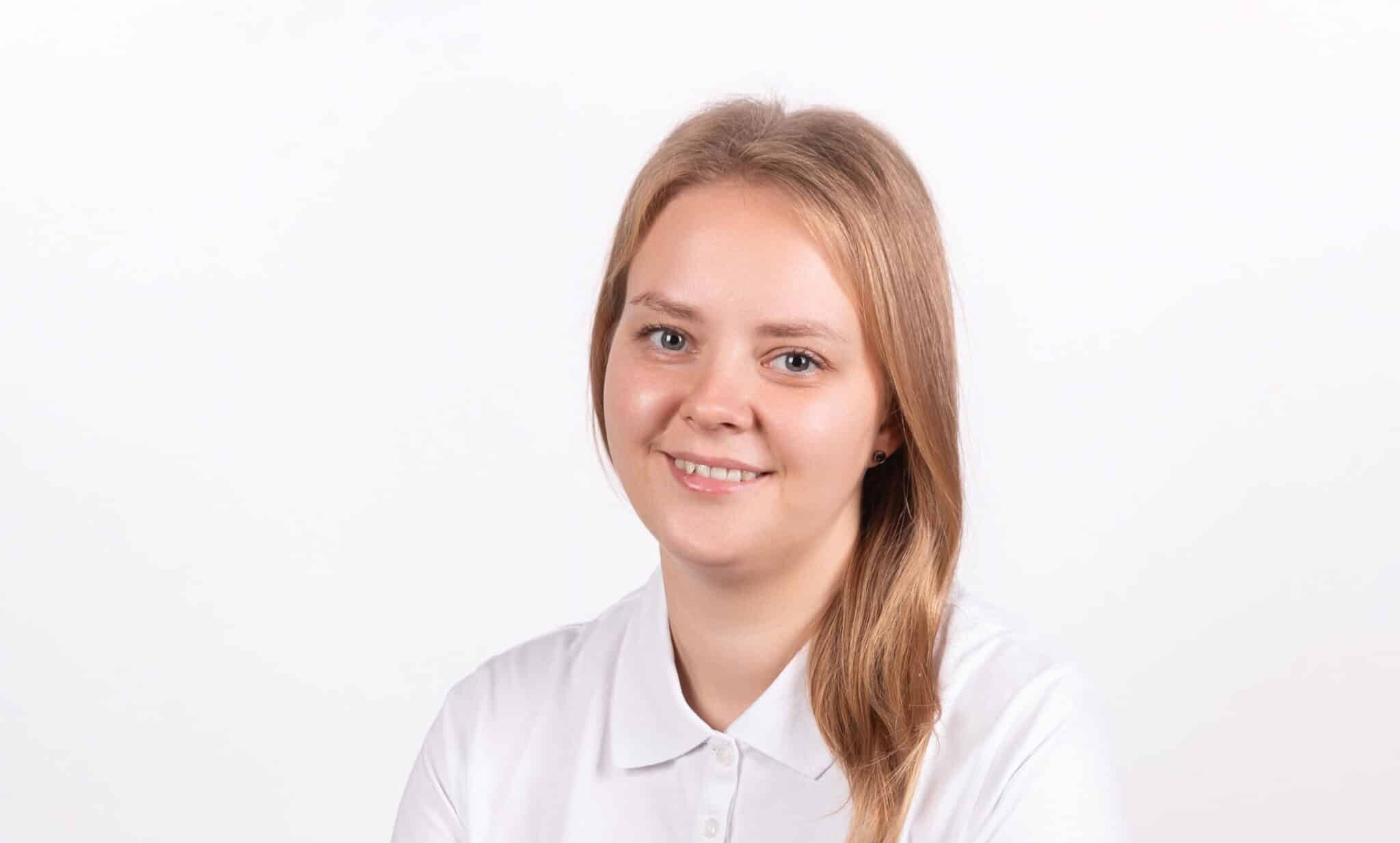
We spoke with Nataliia Lytvynenko, Chief Innovation Officer (CIO) at UHY Prostir, about how the company is implementing innovative solutions, fostering a culture of openness to change, and preparing the profession for a new stage of development.
Nataliia, tell us how your journey at UHY Prostir began. Where did your professional path in the company start, and which moments were defining in your growth?
My journey at UHY Prostir began in 2013 with the position of assistant accountant in the outsourcing division. It was my very first work experience, and everything was new — from tasks and processes to communication with clients.
It’s hard to single out just one stage, because each role brought something new and shaped me as a professional: from assistant to accountant, then to project manager, where I was responsible not only for my own work but also for the team, and eventually to one of the leaders of the accounting outsourcing department.
These roles helped me move from day-to-day management of people and processes to a broader strategic vision of the department’s development. I began to look not only at accounting itself but also at business as a whole: how our clients operate, what their goals are, and where exactly our work creates the most value. And recently, I took a new step — moving into the role of Chief Innovation Officer (CIO), where I now focus on transforming the company through innovations and technologies.
How do you define your mission in this new role?
For me, the mission of a CIO is to search for, test and implement innovations that make life easier for both the team and our clients. It’s not just about technology but also about a new approach to service and mindset.
What steps have you taken or plan to take?
The first step is to identify which processes we can already make more efficient and which tools have potential. We are already testing AI solutions for automating work with primary documents and creating a system of metrics to measure results.
Next, we’re working on developing an AI accounting assistant that will be able to give suggestions, check data, remind about deadlines, and even prepare part of the reports. It will be a “helper” that’s always there.
What does “AI transformation” mean for UHY Prostir?
In my opinion, it’s not just about automating processes but rethinking approaches to work. We are building processes in such a way that artificial intelligence takes care of the routine, while the team can focus on more important and interesting tasks.
Which accounting processes benefit the most from automation, and how will this affect clients?
AI shows the fastest results where there are many repetitive tasks and large volumes of data. For clients, this means more accurate results and faster interaction.
Is there a risk that implementing AI will make accountants unnecessary?
I would put it this way: AI doesn’t replace people, it changes their role. Accountants are still needed — they just focus less on monotonous tasks and more on expertise and providing business advice.
What do you see as your main priority in the role of CIO?
For me, this role is an opportunity to combine my background in accounting with my passion for innovation. I want to cultivate a culture of openness to change within the company: when new ideas don’t frighten but inspire, and technology is seen as a tool for growth.
My task is to build systematic processes that not only eliminate routine and increase efficiency but also ensure the company’s competitiveness today and in the future.
Interview by Kateryna Bohdan