

Accounting outsourcing today is much more than bookkeeping and reporting. Behind quality service lie dozens of processes, effective teamwork, change management, and constant work on improving internal systems.
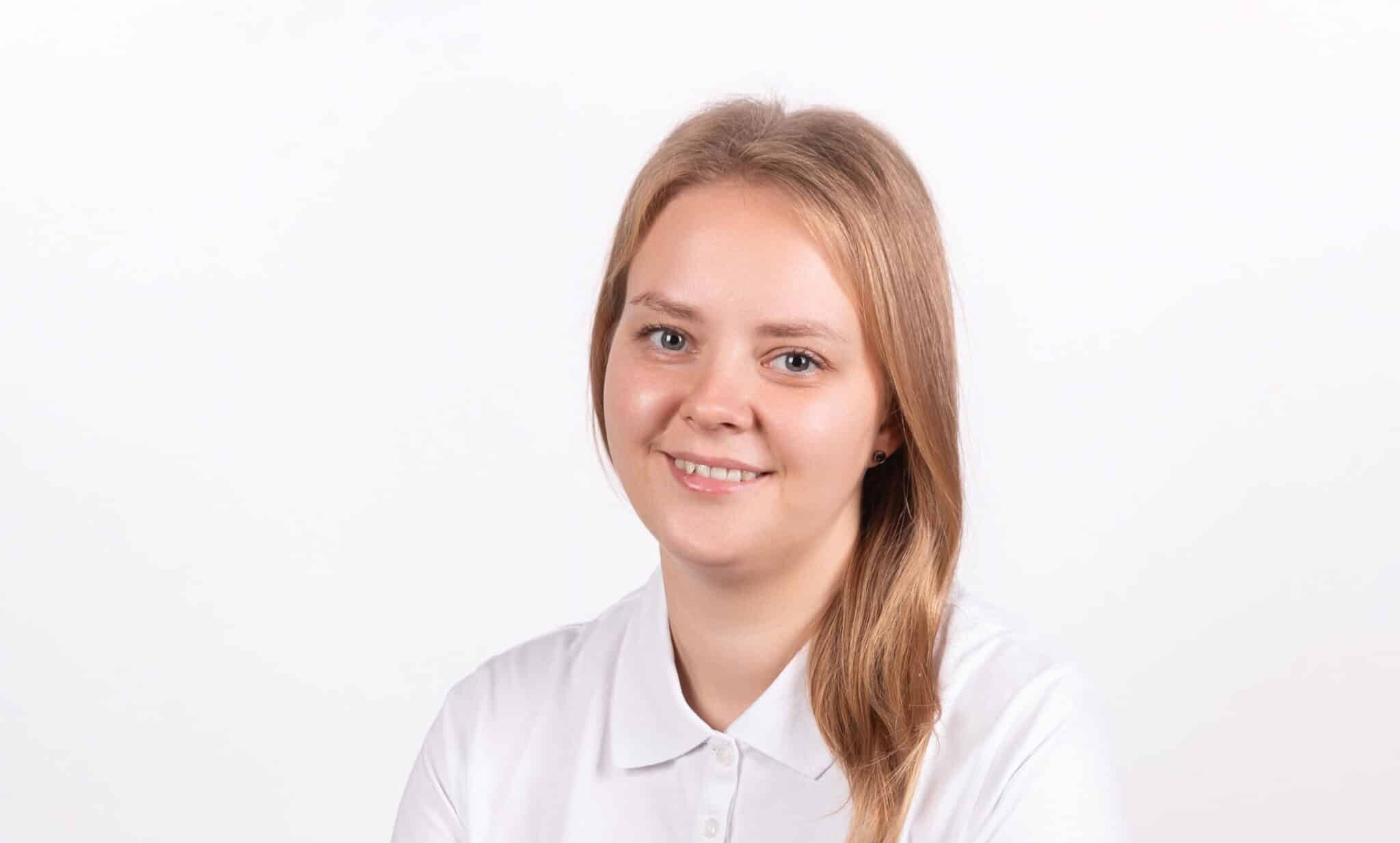
We spoke with Ilona Tanova, COO of Accounting Outsourcing at UHY Prostir, about how her role at the company has changed over the past year, why building processes starts with understanding people, which trends are shaping the development of outsourcing today, and what helps create a service that clients trust for years.
Ilona, a year ago we talked about your work as a Project Manager, and today you’re already COO of Accounting Outsourcing. How has your role, scope of responsibility, and daily challenges changed after moving into the new position?
Over the past year my role has become more strategic. While I used to focus on the operational support of individual clients and coordinating my own team, today my role has transformed to cover the coordination of all teams within the accounting division. I also devote a significant part of my time to developing the systematic side of the direction: building and improving processes, standardizing them, increasing the efficiency of collaboration between teams, and managing change.
Many people imagine accounting outsourcing as work limited to reports and numbers. What part of your job as COO most often stays out of clients’ — and even colleagues’ — sight?
The least visible, yet very important, part of the job is building a system that ensures stable service regardless of changes or external factors. This means coordination between teams, workload management, developing internal processes, introducing new approaches, and working with risks. When everything runs smoothly, these processes are almost invisible, but they are exactly what quality client service is built on.
How do you recognize that a particular process needs to be reviewed or changed?
Usually the process itself signals that it needs to change. There are a few markers I pay attention to. For example, recurring errors often indicate that the problem isn’t with people but with the process itself, and it needs to be reviewed. Another signal is delays and overtime on routine tasks. This means the process needs optimization, and the current tool or algorithm is no longer working efficiently enough and needs updating.
Client feedback is also an important indicator. If misunderstandings arise, we try to look into the situation in detail and find a solution that helps resolve them. We maintain constant contact with clients, asking about their assessment of the cooperation and their wishes for improving it. This helps us notice potential problems in time and prevent them before they arise.
For me, it’s important not just to react to problems, but also to analyze their root causes.
Are there indicators or signals that help you understand whether the direction is working effectively?
Yes, of course. One of the key indicators is client loyalty — the level of client satisfaction and trust. When clients have worked with us for 10–15 years, recommend us to their colleagues, or go through important stages of business development together with us, it shows that they see us as a reliable partner. And that means we’re moving in the right direction.
Another important indicator is quality and compliance: the absence of penalties for our clients, meeting task deadlines, and the absence of systemic escalations.
An equally important signal for me is team stability, as well as their level of engagement and proactivity. Long-term collaboration is quite common practice at our company — many colleagues have worked here for 5, 10, and even 15 years.
What usually turns out to be harder: setting up a process or finding the right approach to people?
Finding the right approach to people. A process is an algorithm, math, logic. It can be written down, tested, measured, and improved. People are far more complex, since everyone has their own experience, motivation, working style, ambitions, and concerns.
That’s exactly why, for me, management is first and foremost about working with people. Even the best process won’t work without a team that understands its value and is willing to support it.
What does quality client service mean to you in the field of professional services?
For me, quality service means the client gets not just an answer to their question, but confidence that their business is in reliable hands. It’s about proactivity, responsibility, open communication, and a willingness to look for solutions even in non-standard situations.
What principles or personal qualities help you build long-term relationships with clients?
Above all, honesty and responsibility. A business can forgive a technical mistake if it’s corrected in time and openly, but it will never forgive concealment of information or manipulation. Long-term partnerships are built when the client sees that you’re just as invested in their result as they are. It’s important not to promise the impossible, to be open in difficult situations, and to always follow through on commitments made.
In your work, you sometimes have to discuss difficult things. How do you approach conversations with clients when you need to report a problem or unpleasant news?
I’m convinced that difficult issues need to be discussed openly and in a timely manner. It’s important not only to voice the problem, but also to offer possible ways to resolve it. Clients accept even unpleasant news much better when they see a professional approach, transparent communication, and a readiness to take responsibility for the outcome.
How do you find the balance between controlling processes and trusting the team?
The balance is built on transparency of the system. If we see that certain processes need optimization or changes, instead of resorting to micromanagement and controlling every step, we introduce clear rules, standards, and SOPs.
Right now we’re at the stage of developing a number of SOPs and expect positive results from their implementation. Having clear rules and standards gives more grounds to trust the team’s work.
At the same time, trust is formed when these rules are followed and the team remains proactive and shows initiative.
What qualities do you value most in people who grow into leadership roles?
Above all, responsibility, the ability to make decisions, proactivity, and the ability to work with people. A good leader doesn’t just do their own job well — they also help the whole team achieve results.
In your opinion, what sets a strong specialist apart from a future leader?
A strong specialist focuses on their own result. A future leader starts to think more broadly: they see the connections between processes, take responsibility for the shared result, and think about developing other people. A leader is willing to share knowledge, isn’t afraid to delegate, and takes responsibility for their subordinates’ mistakes.
What mistakes does business most often make in organizing accounting processes?
Most often, accounting is seen purely as a reporting function. In reality, well-organized accounting processes are an important source of data for management decision-making. Other common mistakes include a lack of process standardization, insufficient control over document flow, and untimely or overly complicated communication between departments.
What trends are having the biggest impact on the work of accounting teams and the development of outsourcing overall today?
The key trend is total digitalization and automation of routine work. Artificial intelligence and modern ERP systems are taking over mechanical data entry. As a result, the accountant’s role is gradually transforming: the share of routine work is shrinking, while demand for analytical skills and tax consulting is growing critically. At the same time, outsourcing is no longer just “remote bookkeeping.” Today it’s increasingly becoming a strategic partner that helps businesses optimize costs and scale safely.
Which professional challenge of recent years has most shaped your view of work and management?
For me, that challenge was managing teams and client projects amid constant change. This experience taught me to adapt quickly, make decisions under uncertainty, and build processes that stay effective even when external circumstances change very fast.
What brings you the most satisfaction in your work today?
What brings me the most satisfaction is seeing the results of people’s and processes’ development. When the team gets stronger and clients receive quality service thanks to systemic changes, that gives the greatest sense of the value of the work done.
What motivates you to stay at the company and keep developing the direction for over 10 years now?
It’s sometimes hard to realize, but I’ve been working at the company for 12 years now. These have been very interesting and eventful years. This is exactly where I formed as a professional.
For me, it’s very valuable to be able to influence the development of the business, bring new ideas to life, and work alongside a professional team, constantly feeling support, trust, and mutual understanding. When the whole team is “on the same wavelength” and does its utmost to achieve a great result, that truly motivates me.
The company keeps evolving: its scale, tasks, and challenges keep changing. There’s always something new here that inspires you to keep moving forward and keep developing together with the team.
Looking back a few years from now, what would you like to consider your main contribution to the development of the company and the team?
I would like to see the company as a powerful, resilient ecosystem that easily scales to hundreds of clients thanks to a solid operational foundation that I helped build.
Interview by Kateryna Bohdan
More About the UHY Prostir Team
- Not Giving Up and Always Believing in Yourself: A Conversation with Natalia Pinchuk on Career Path and Values (⚠️ вставити реальний URL)
- On Expertise, Responsibility, and Team Development: Interview with Larysa Sternyuk (⚠️ вставити реальний URL)
- How the Auditor of the Future Thinks: Interview with Viktor Safinsky, Head of UHY Prostir’s Audit Direction (⚠️ вставити реальний URL)
- How Innovation Is Changing Accounting Outsourcing: Interview with Natalia Lytvynenko, Chief Innovation Officer (CIO) at UHY Prostir
Frequently Asked Questions About Accounting Outsourcing Management
How do you know when an accounting process needs to change?
Recurring errors, delays, and overtime on routine tasks are the main markers — they usually mean the process itself, not the people, needs review. Client feedback is another key signal that helps catch problems early.
What indicators show that an accounting outsourcing team is working effectively?
Client loyalty (long-term cooperation and referrals), quality and compliance metrics (no penalties, no missed deadlines, no systemic escalations), and team stability with low turnover are the main indicators.
How does an outsourcing company balance process control with trust in the team?
Through transparency: clear rules, standards, and SOPs replace micromanagement. Once the team consistently follows these standards and stays proactive, trust naturally follows.
What is the biggest mistake businesses make when organizing their accounting processes?
Treating accounting as a reporting function only, rather than a source of data for management decisions. Other common mistakes include a lack of process standardization and unclear communication between departments.
How is technology changing the role of the accountant?
AI and modern ERP systems are taking over routine data entry, which shifts demand toward analytical skills and tax consulting. As a result, outsourcing is evolving from “remote bookkeeping” into a strategic partner for business growth.
What qualities distinguish a strong specialist from a future leader?
A strong specialist focuses on their own results. A future leader thinks more broadly — seeing connections between processes, taking responsibility for shared outcomes, and investing in developing other people.