

Accounting outsourcing today means far more than bookkeeping and reporting. Businesses expect an external partner to communicate quickly, keep risks under control, automate processes, and provide support when management decisions are being made.
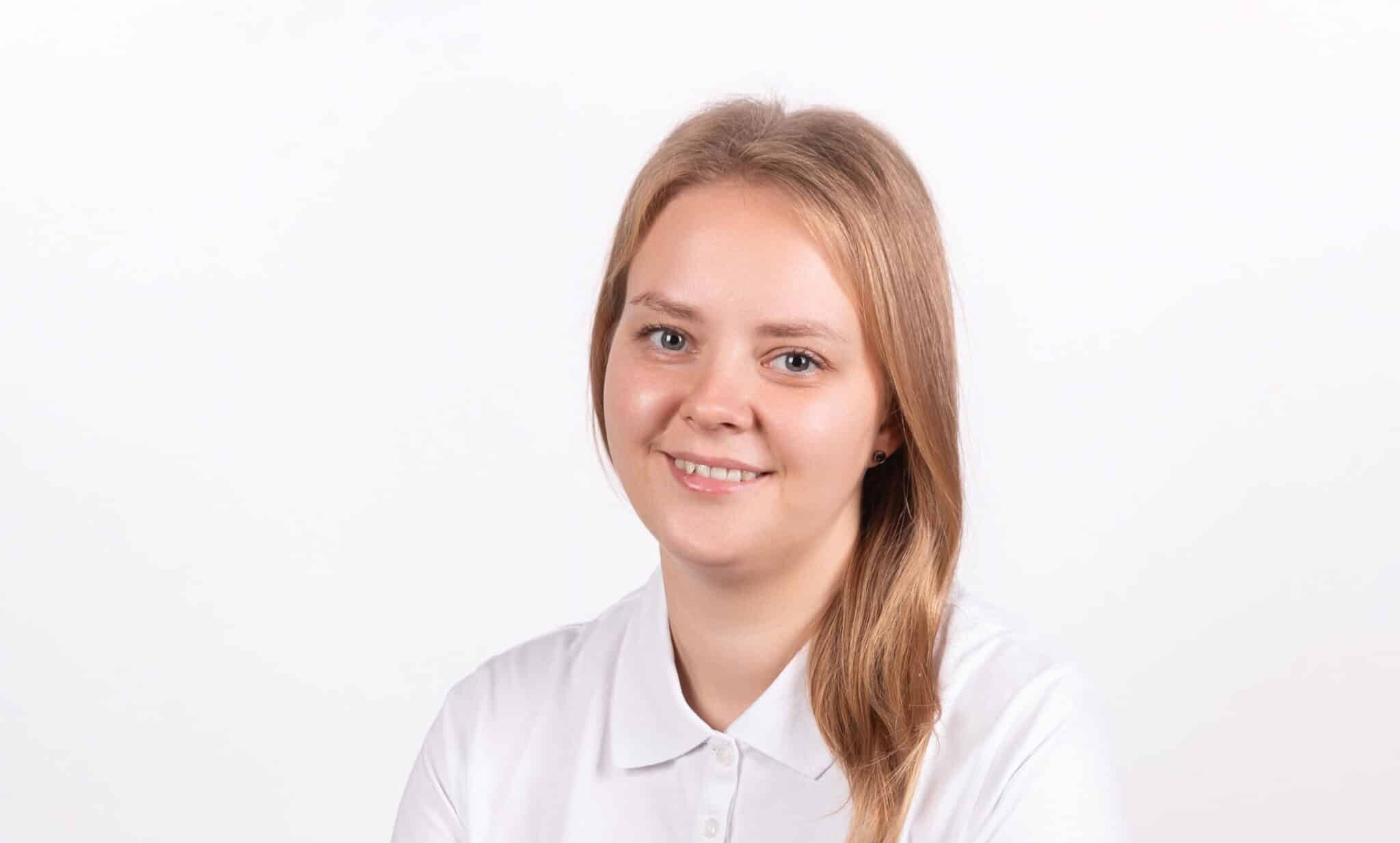
We spoke with Hanna Matseva, CEO of Accounting Outsourcing at UHY Prostir, about how accounting services are developing, how client expectations have shifted, what it takes to build a team, and where the profession is heading.
How the approach to leading the accounting practice has changed
In your previous interview, you described the move from heading a department to becoming CEO of the accounting practice. How has your view of managing a business and a team changed since then?
My perspective has become broader and more strategic. Today I see the accounting practice as a single system in which client needs, service quality, process efficiency, and team development are all connected.
I also pay far more attention to long-term decisions and their impact on the business. At the same time, management for me remains, above all, work with people: it matters that you hear your team, explain priorities, and create room for professional growth.
Has your leadership style changed over this period?
Yes, it has become more systematic. I used to immerse myself deeply in individual tasks far more often. Today I delegate more, develop managers within the team, and work on processes that do not depend on one person’s constant oversight.
It is important to me that colleagues understand not only what needs to be done, but why the client needs it and how their work shapes the overall result.
What does being a good manager mean to you today?
A good manager does not necessarily have to know the answer to every question. Their job is to assemble a strong team, listen to different positions, help find a solution, and take responsibility for the outcome.
At the same time, support does not rule out high standards. The team needs to understand expectations, quality benchmarks, and areas of responsibility.
What was the most valuable lesson of the past year for you?
Lasting change cannot be introduced by a manager’s decision alone. A new process, instruction, or technology will only work when the team understands its purpose.
That is why I now devote more attention to communication: I explain what problem we are solving, listen to my colleagues’ views, and involve people in implementing change.
What clients expect from accounting outsourcing today
What are the strategic priorities for accounting outsourcing at UHY Prostir, and which areas will be central over the coming years?
Our main priority is to maintain a high standard of accounting services as we scale.
We are working on standardising processes, automating accounting, developing the advisory component, and strengthening cooperation with international companies.
Clients should receive not only correctly prepared financial and tax reporting, but also timely warnings about risks and practical recommendations for the business.
How have client expectations of accounting outsourcing changed in recent years? What matters most to them today?
Clients expect speed, transparency, and proactivity. It matters to a business not simply to receive reports, but to understand the current state of its accounting processes and to know about possible tax or financial risks in advance — a blocked tax invoice, for instance, is far easier to prevent than to resolve after the fact.
Demand is also growing for comprehensive support, where accounting questions can be resolved alongside tax, legal, and payroll and HR matters.
What distinguishes a strong accounting outsourcing partner from a competent provider?
A competent provider carries out the assigned task correctly and on time. A strong partner first tries to understand the client’s business, its goals, how it operates, and its potential risks.
They do not merely react to requests — they ask follow-up questions, draw attention to the consequences of decisions, and propose a more effective approach to organising the accounting function.
Building a team: how to keep strong specialists
How do you find the balance between demanding standards and supporting your team?
The balance starts with clear expectations. A person needs to understand their responsibility, deadlines, and quality criteria.
When a mistake occurs, it matters to identify the cause: overload, a gap in knowledge, a poorly defined task, or a flawed process. Support, to me, does not mean doing the work instead of a colleague — it means helping them find a solution and draw the right conclusions.
What helps retain strong specialists on the team?
The chance to grow professionally, to see a path ahead, and to influence the result.
Strong specialists value interesting work, trust, fairness, and recognition of their contribution. Working conditions and pay matter too, but they cannot replace respect and a healthy atmosphere within the team.
How do you create an environment where people want to stay for years?
That kind of environment is shaped daily — through how managers behave, how mistakes are handled, the quality of communication, and whether development opportunities are real.
People should not be afraid to ask questions, propose ideas, or raise difficulties. At the same time, everyone must understand their responsibility to the client and to the team.
Training, mentoring, and the chance to move gradually into more complex projects or management roles all play an important part. My colleague Ilona Tanova, COO of accounting outsourcing, has spoken about this in detail in her own interview on how processes and team culture work together.
Which team achievements are you proudest of today?
I am proud that the team maintains consistent quality in its accounting services even under difficult conditions, and continues to develop client projects.
It is especially rewarding to see new experts and managers growing up inside UHY Prostir. Colleagues who started in assistant positions now run complex projects independently, coordinate teams, and train others.
Automation and AI in accounting
Two years ago we were only beginning to talk seriously about AI. How would you assess its impact on accounting outsourcing today?
Artificial intelligence has not replaced the accountant, but it has already become a useful working tool. It helps process information faster, analyse documents, structure data, and reduce the volume of routine tasks.
At the same time, data security, professional review of results, and human responsibility for decisions remain critically important in accounting outsourcing. We covered the practical side of this in our guide to implementing AI agents in accounting.
Which processes have already changed thanks to technology?
The biggest changes have been in work with source documents, bank statements, reconciliations, and large volumes of similar transactions.
Electronic document management, automated payroll calculation, and task management systems help process data faster, keep deadlines under control, and reduce the risk of errors.
However, technology delivers the greatest effect when it is integrated into a properly organised process. We have set out what this looks like in practice in our overview of how LLCs can automate accounting in 2026.
Which skills remain irreplaceable despite automation?
Professional judgement, critical thinking, and the ability to understand business context.
A system can process a transaction according to a set algorithm, but it cannot always assess the specifics of a contract, a business model, or the tax consequences of a non-standard decision.
Communication, ethics, responsibility, and a readiness to keep learning also remain irreplaceable.
What accounting outsourcing will look like in five years
How do you see accounting outsourcing five years from now?
It will become more technological, more transparent, and more closely integrated into the client’s business.
A significant share of routine operations will be automated, and the role of the accounting partner will shift towards analytics, risk control, and support for management decisions.
Clients will choose firms that can combine modern technology, strong expertise, and a deep understanding of business.
What are you working on most right now to make that future a reality?
Above all, on building a system: quality standards, clear processes, developing managers, and the gradual automation of accounting.
Scaling takes more than hiring new specialists. You need to build a strong management team capable of working with clients, developing colleagues, and taking responsibility for results.
Which decision as CEO would you most like to be proud of a few years from now?
I would like to be proud that we managed to build a strong system that does not depend on any single person.
A system with professional managers, modern technology, clear standards of accounting service, and a culture of accountability.
It matters a great deal to me that the company can scale without losing either service quality or its human side.
If you give another interview a few years from now, what achievements would you want to talk about?
I would like to talk about expanded cooperation with international companies, the development of a digital environment for clients, and new managers who have grown up inside UHY Prostir.
And the most important result will be that clients continue to trust us, and that people want to work at the company, grow professionally, and develop alongside it.